
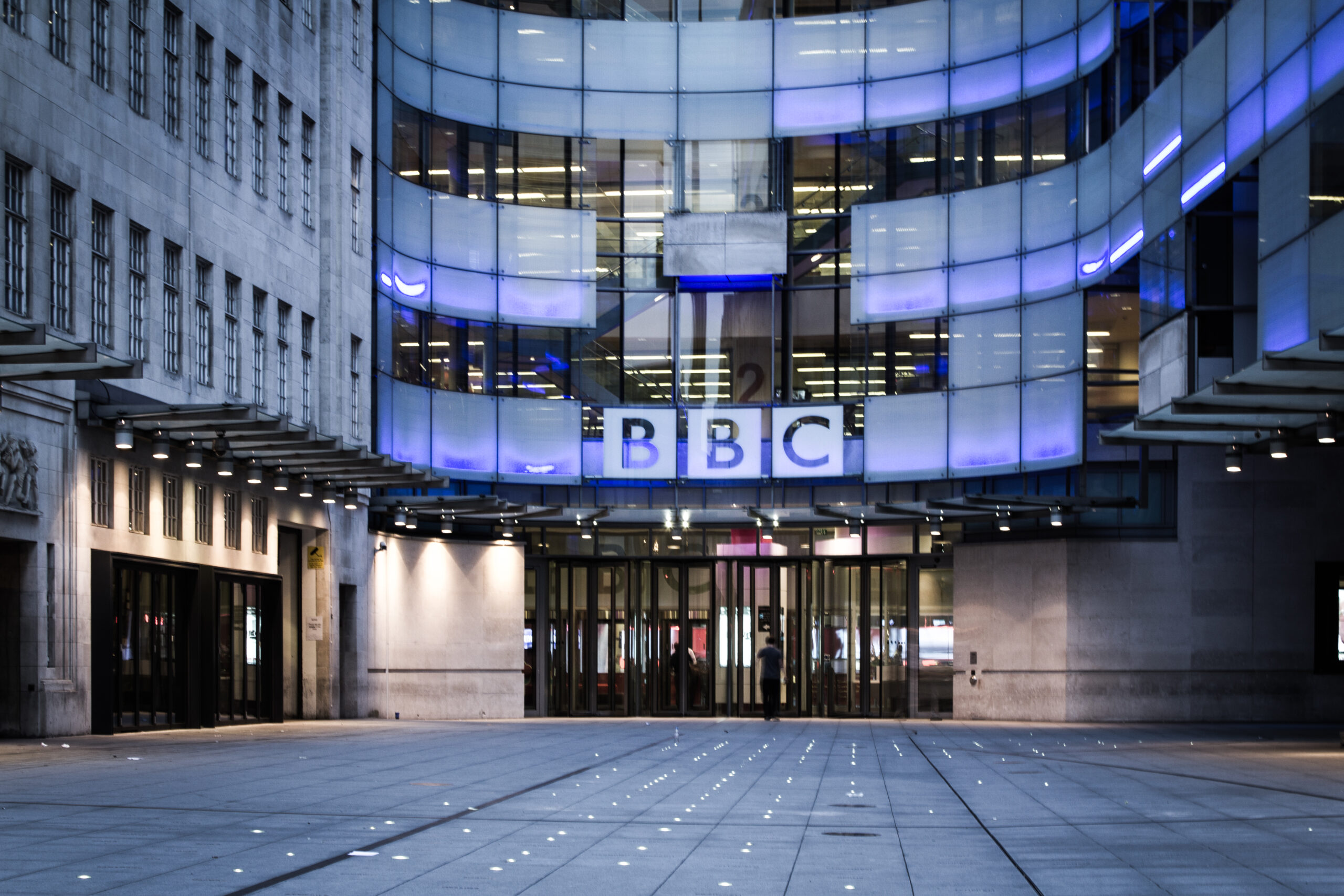
The BBC’s Editing Fiasco: A Win for Media Accountability in America
The BBC recently discovered—rather embarrassingly—that the news isn’t a place for creative writing or reenactments of historical events. Who would have thought? Their controversial editing of a Donald Trump speech has become a prime example of how not to handle journalism, raising more than a few eyebrows about the integrity of media in both the U.S. and the U.K. Notably now, past footage of similar
edits done by the BBC are emerging of regular people they have “reported on” as well as the late Queen Elizabeth.
Oh the drama
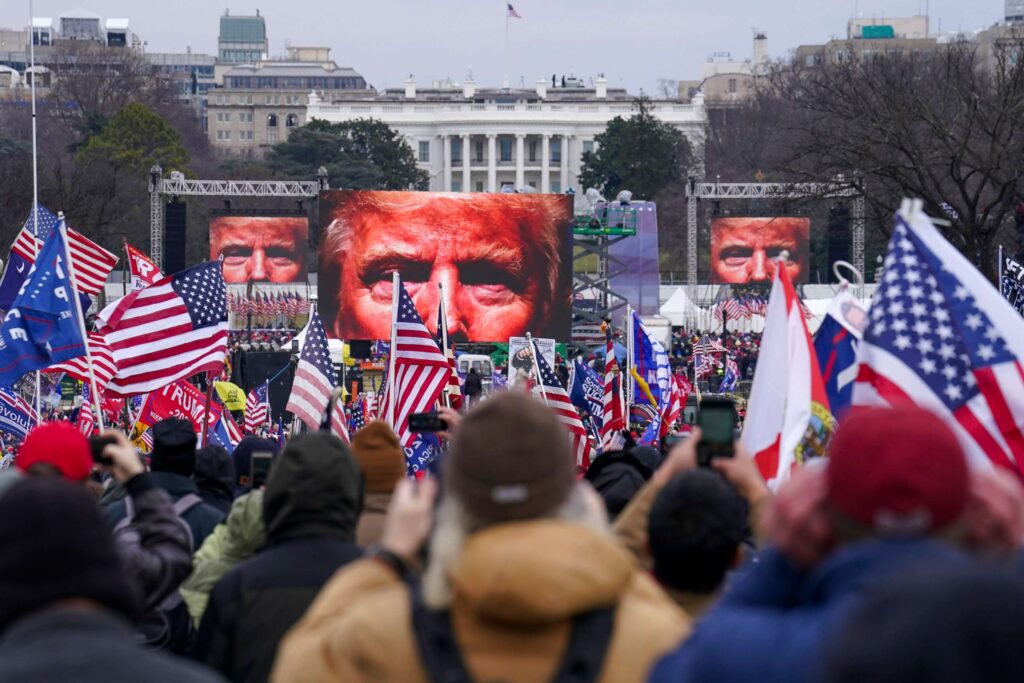
The chaos began with their documentary “Trump: A Second Chance,” which stitched together snippets of Trump’s January 6 speech in the way that only a 3rd world doctor working with one needle and a dream could. Yes, the producers thought it a brilliant idea to splice together a video that made it look like Trump was inciting violence right then and there. The two segments, wowed for their epic moment of tension,
were actually 50 minutes apart. But who needs chronological order when you’re running a narrative? In a world where imagination runs wild, context is just a necessary evil, right?
Naturally, after receiving a lawsuit threat for USD 1 billion from Trump himself, the BBC found that maybe they should stick to covering the Queen’s tea parties instead of trying to rewrite American history. The fallout was swift: Tim Davie, the BBC’s Director-General, and Deborah Turness, head of news, got the boot faster than a beggar asking for change in a NYC restaurant, leaving behind the fallout for what felt more like a TV show gone wrong than a responsible news operation.
The Media’s Trust Deficit
Believe it or not, this isn’t just a case of the BBC’s creative license gone awry. It reflects a larger blemish on the face of the global media landscape, particularly in the U.S. and the U.K., where stories all too often prioritize ratings over truth. A 2025 report by the Committee to Protect Journalists even suggests that our esteemed media outlets are now competing for the title of “Most Untrustworthy,” and you can
guess who’s winning—often, it’s not just a photo finish.
Let’s face it: misleading edits might be good for viral memes, but they do a disservice to a society desperately in need of reliable information. Apparently, quality control in journalism is as rare as virtue without the signaling. Or maybe a BBC video without a secret narrative behind it.
A Bloated Narrative: The Irony of Context
The BBC’s defense of their choice to “convey the message” rather than deliver the actual message is “cool”. After all, who needs truth when you can craft a narrative to enhance your ratings instead? This begs a more serious inquiry: shouldn’t a reputable news organization be in the business of informing rather than spinning tales?
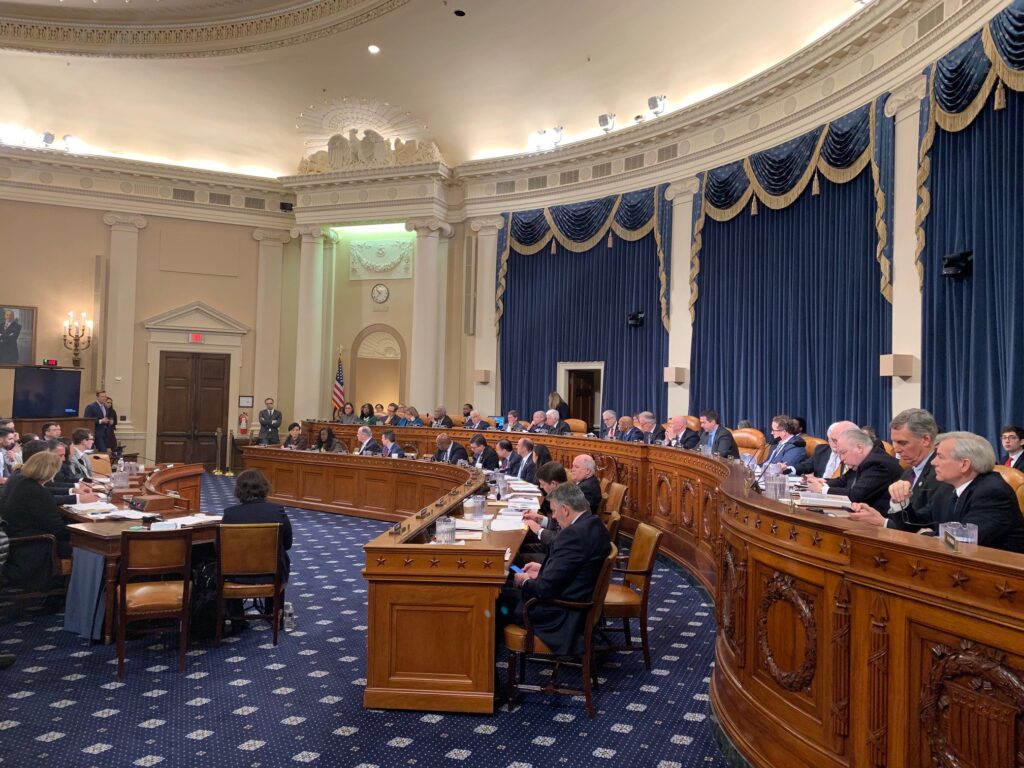
The House of Commons Culture Media and Sport Committee bravely asked the question on everyone’s lips: “Why should the BBC be trusted, and where will this all end?” A question we too must ask, while knowing not to trust the BBC’s answer of the question.
The Bigger Picture: Reflection on Values
This incident is not just an isolated embarrassment; it symbolizes a moment for media entities globally to reassess their editorial practices. If the crew at the BBC thought that they could pull a fast one on viewers without consequences, they clearly underestimated the power of digital outrage. It’s a social media storm, and the BBC is caught in it!
As citizens of a democracy, we have a right to expect that the information we digest doesn’t resemble a Hollywood script. If misinformation can become indistinguishable from news, then what are we really ingesting? While we may not just yet have the answer to this question, I do know one thing: news from the BBC will no longer be it.